Tag: ragusa
-
Brown Cows In Sicily
Modican cows are a beautiful breed that are primarily cultivated in southeastern Sicily. Their milk is used to make excellent cheese and ricotta. Note that the cannoli in Ragusa Province, where this photo was taken) are (more often than not) made with ricotta from Modican cows.
-
Lindsay’s Inspector Montalbano Tour
“I highly recommend Experience Sicily for creating a wonderful tour of the film set locations of Camilleri’s internationally acclaimed fictional detective, Inspector Montalbano. The fulsome itinerary included viewing the interior of the ‘Vigata police station’ at Scicli, with the highlight of the day being a walk along Punta Secca beach outside Montalbano’s house. Damiano was…
-
Crispelle For San Martino
November 11 is La Festa di San Martino, Saint Martin’s Day. Each province in Sicily celebrates differently. In the town of Chiaramonte Gulfi (Ragusa Province), citizens eat sweet and savory crispelle, like these made with fennel seeds, pictured, together with cooked wine. Importantly, the Feast of San Martino marks when wine makers taste the novello,…
-
Bathed In Morning Light In Ragusa
A view of Ragusa from Ragusa Ibla. During my times here, I’ve studied where the light falls with the sunrise and how the moon rises with the sunset. The Church of Santa Lucia soakes up the morning rays on the hillside. Its eastern exposure helps me imagine an ancient temple under its foundation. Regretfully, with…
-
Timelessness In Ragusa Province
Sicily is timeless. (Location: Castello di Donnafugata, Ragusa)
-
52 Reasons to Love Sicily | #50. Inspired, Creative Accommodations
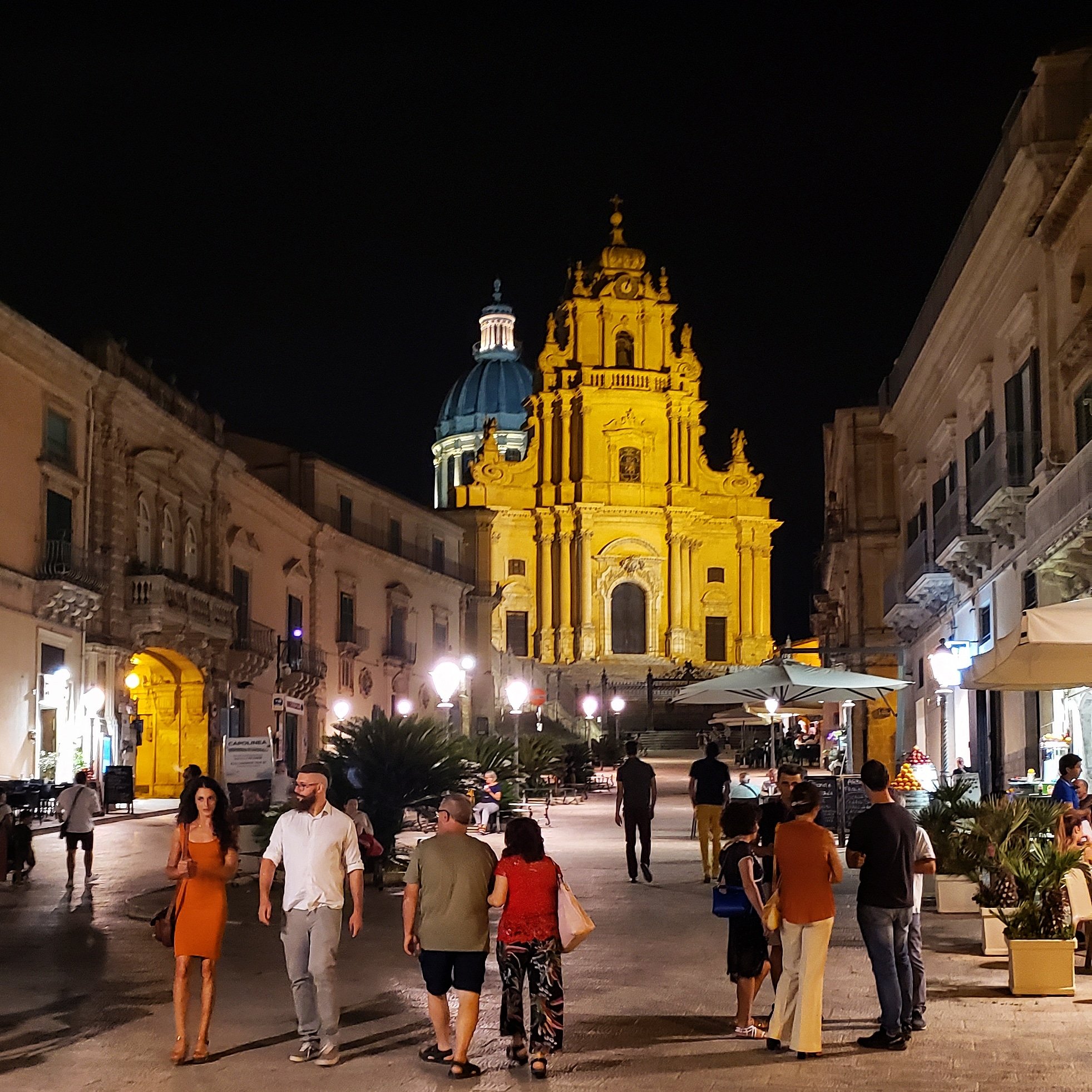
Over the last ten years, Sicily’s tourism industry has matured and grown, and the amount and diversity of accommodations available to tourists is abundant. In a city like Ragusa, for example, right here in the old town of Ragusa Ibla, there exists everything from Locanda Don Serafino, an historic hotel with luxurious rooms furnished inside…
-
52 Reasons to Love Sicily | #8. Modica Chocolate
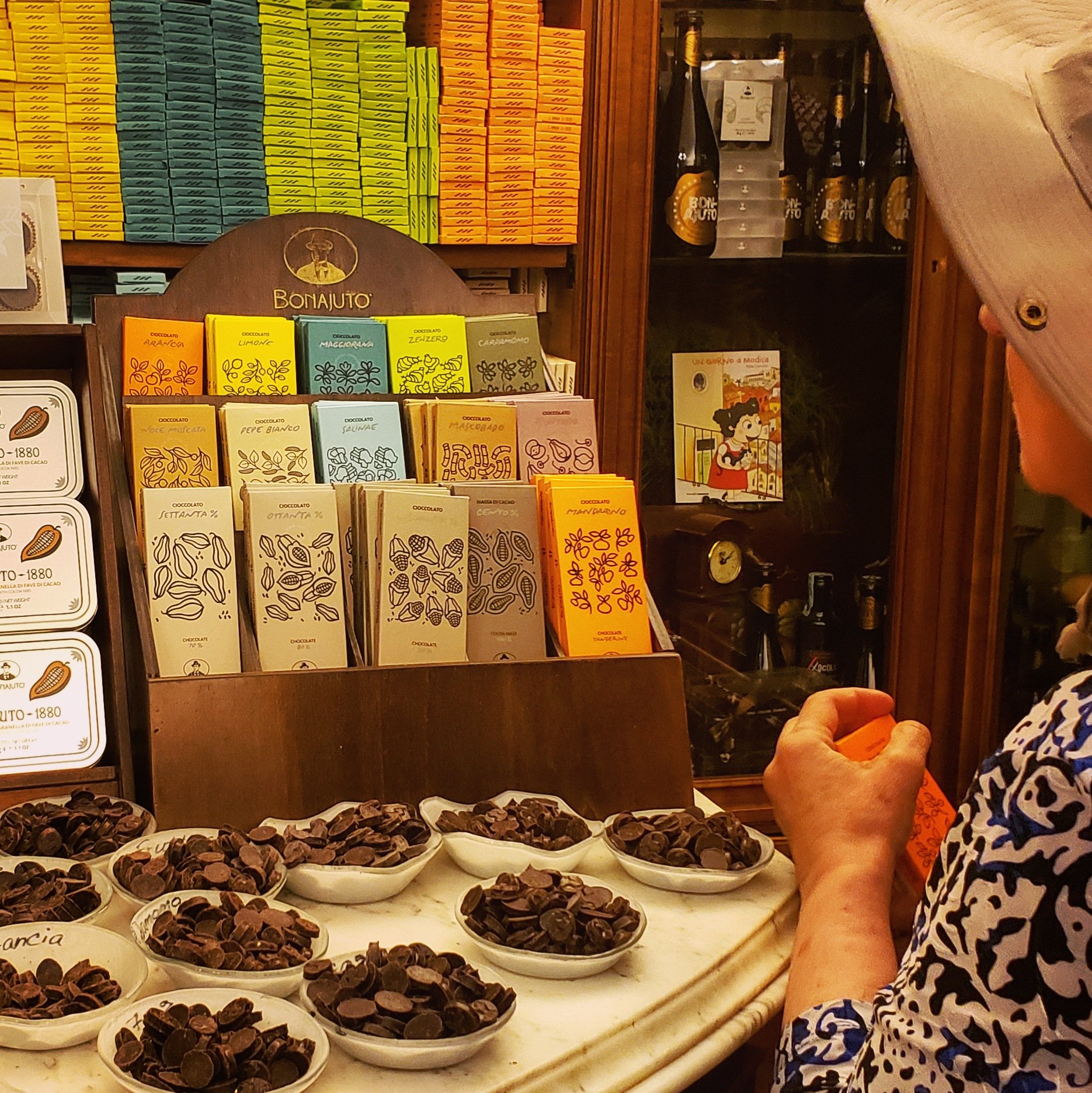
Employing a method and recipe that still exists today, the chefs used a mortar and pestle to ground the beans into a paste. They then heated the paste to 45 degrees centigrade, a temperature at which the cocoa doesn’t completely become a liquid. At this point, they mix by hand the warm paste together with…